


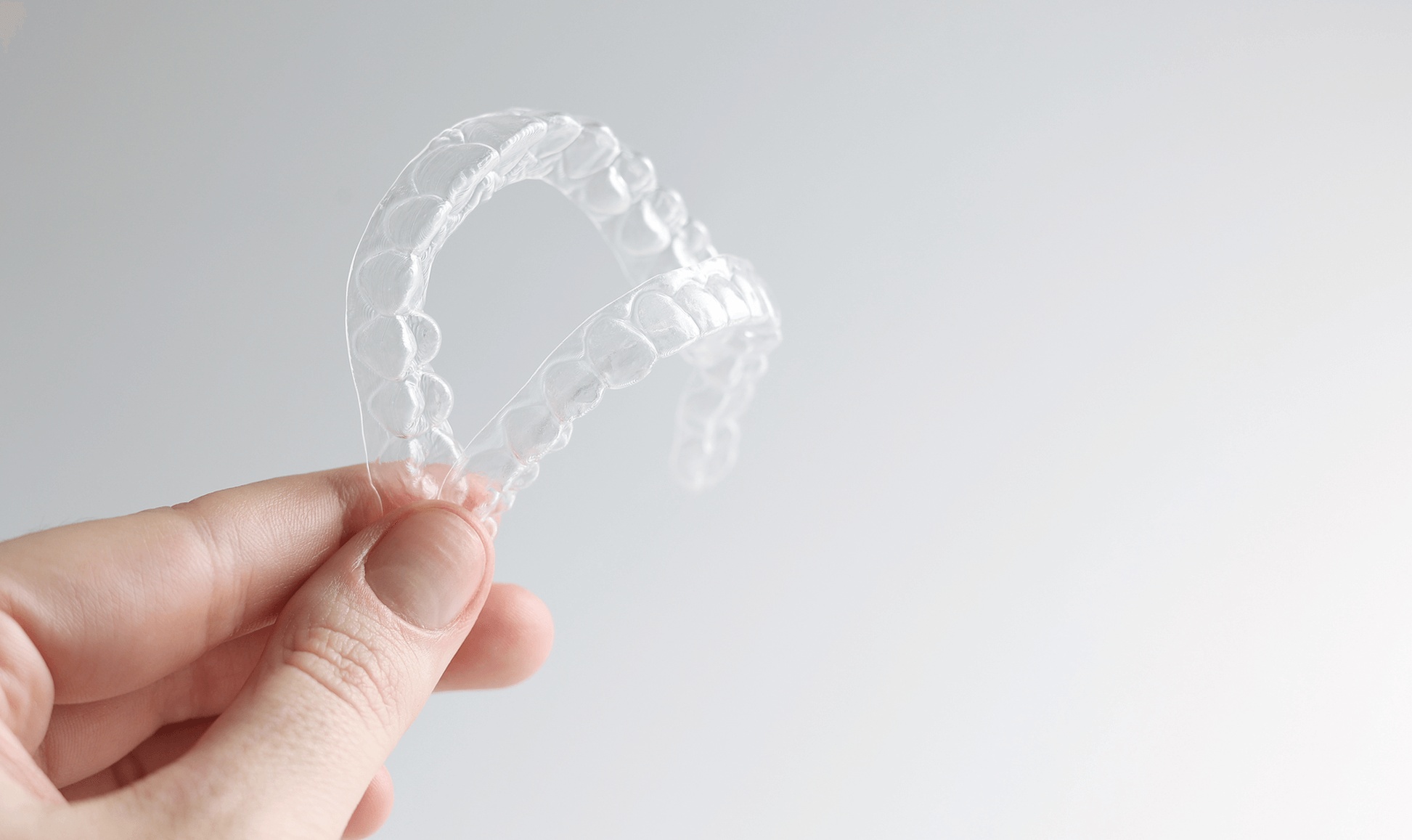
Research shows that around 20% of the population does not have an ideal bite, meaning many could potentially benefit from treatments like Invisalign, but not everyone is a perfect match. Deciding between Invisalign and traditional braces starts with considering your dental health, daily habits, and commitment to certain protocols.
Read on to get answers from the best dentist in Campbell to key questions, like: Can Invisalign address your specific bite problems, such as crowding, gaps, or crooked teeth? Is your oral health and commitment level on point? Does your age and dental development fit the bill?
Five Questions to Ask Yourself Before Deciding if Invisalign is Right for You
Before committing to Invisalign, it's helpful to take an honest look at your needs, habits, and goals. These five questions can guide you toward the right decision:
Can Invisalign Treat My Specific Dental Problem?
Invisalign is most effective for mild to moderate issues, such as crowding, gaps between teeth, or general alignment problems. They can also help with minor overbites or underbites, as well as TMJ disorders and cases where teeth have shifted after previous orthodontic treatment. If you have severe jaw misalignment, large bite problems, or other complex orthodontic needs, traditional braces may be the better choice since they offer more precise control over tooth movement. The best way to know for sure is to have a dentist evaluate your bite and create a treatment plan tailored to your specific goals.
Am I too old for Invisalign?
Invisalign is designed for individuals whose permanent teeth have fully erupted and the jawbone has completed growth, which is why the best candidates are typically older teens and adults. For younger children, baby teeth and ongoing jaw growth can disrupt the process, making it difficult to get accurate results. In these cases, dentists typically recommend Invisalign First or waiting until most or all permanent teeth are in place before starting Invisalign. If you’re a parent wondering about timing, or an adult unsure if your dental development is complete, a quick evaluation by a dentist can confirm whether now is the right time to start treatment.
Do I Have Good Oral Health to Get Invisalign?
Healthy teeth and gums create the foundation for a smooth, successful treatment. Before starting Invisalign, it’s essential to ensure your teeth and gums are in good health. Any active cavities, gum disease, or other oral health issues need to be treated first, as aligners can trap bacteria and exacerbate these problems. Once you begin, maintaining excellent oral hygiene becomes even more important. You’ll need to brush and floss regularly, and clean your aligners daily to prevent plaque buildup, bad breath, and tooth staining.
Am I Responsible Enough to Adhere to the Treatment Plan?
Invisalign only works if you’re committed to following the treatment plan exactly as prescribed. That means wearing your aligners 20 to 22 hours a day, every day, and switching to the next set of trays on schedule. Skipping wear time or forgetting to change trays can slow progress, or even undo some of the improvements you’ve made.
Finding the Best Invisalign Dentist in Campbell
At Bliss Dentistry, we believe Invisalign should feel as comfortable and stress-free as the smile it creates. Dr. Takeda and Dr. Zin take the time to understand your goals, evaluate your overall oral health, and design a personalized treatment plan that fits seamlessly into your lifestyle. Our approach is proactive; we don’t just move teeth, we look at your long-term dental wellness, screen for underlying issues, and collaborate with other healthcare providers when needed.
Whether you’re motivated by a cosmetic goal or looking to correct bite issues, we combine advanced Invisalign technology with a warm, patient-focused environment to help you achieve results you’ll love.
Ready to start your Invisalign journey with the best dentist in Campbell?


.svg)